Lutris Enhances NOMAD with Advanced Interference Location Detection
Upgraded capability enables network operators and drive testers to precisely map cellular interference sources using simultaneous cell identification and GPS-timestamped coordinates
Lutris executed a significant upgrade to its NOMAD system, adding enhanced interference location detection capabilities designed to give wireless network operators faster, more precise tools for identifying and resolving sources of cellular interference.
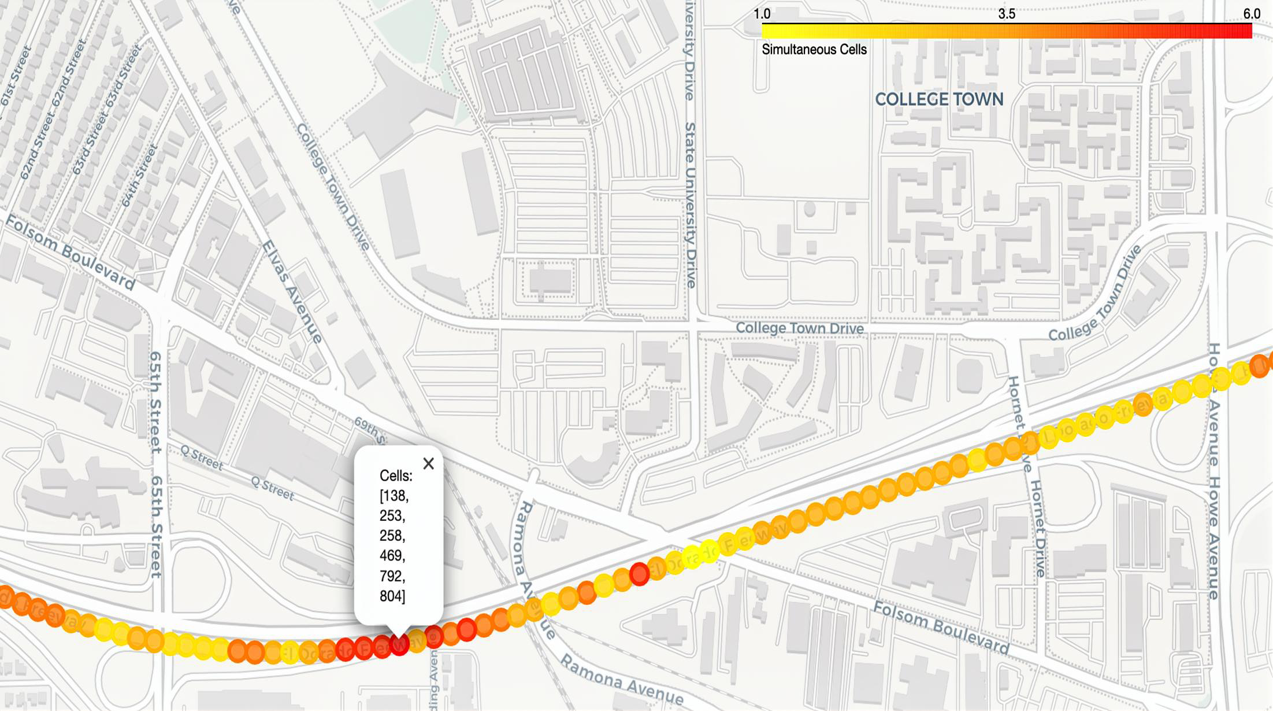
The updated NOMAD system now simultaneously identifies and labels multiple cell signals detected at any given location, providing operators with a clear picture of the cellular environment in real time. When combined with timestamped GPS coordinates, the system can produce precise interference maps that pinpoint exactly where — and when — interference events occur.
This improvement builds on NOMAD’s existing interference detection foundation, delivering greater accuracy and actionable data to network engineers working to maintain signal quality across complex wireless environments. The ability to correlate cell identities with precise geographic and temporal data significantly reduces the time required to diagnose and resolve interference issues in the field.
Network interference is one of the most challenging and costly issues facing telecom operators today. With this upgrade to NOMAD, Lutris is giving teams the precision they need to act quickly and confidently. Our goal is to turn complex RF data into clear, location-specific intelligence.
The enhanced NOMAD system is available now. For more information or to schedule a demonstration, contact us TODAY.